THOUGHT LEADERSHIP
Blue Energy. The Next Energy.
A simpler way to power ocean and coastal work.
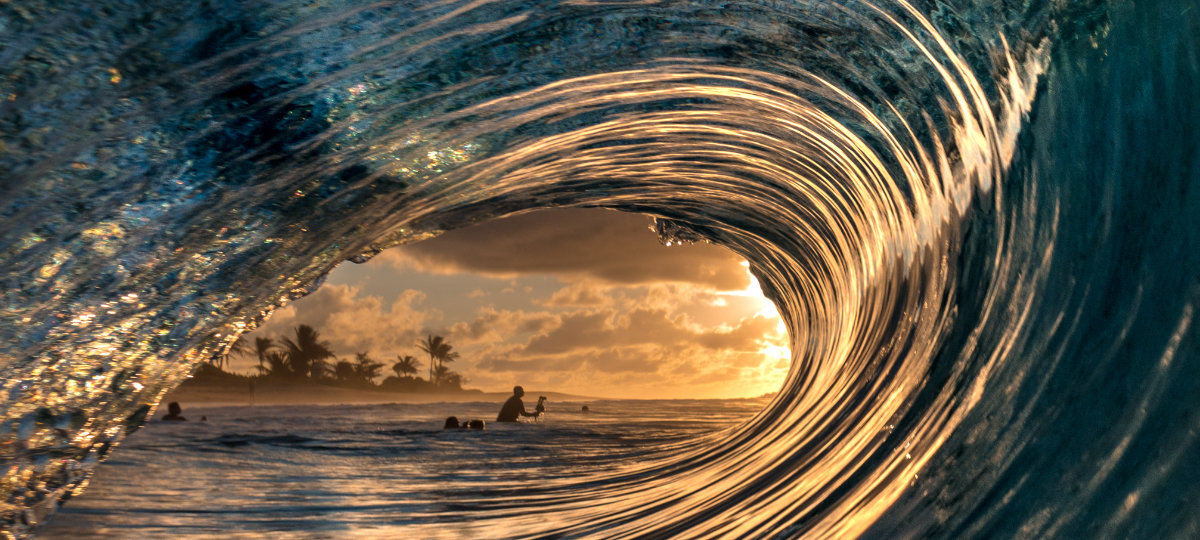
Across the world, ocean industries are expanding rapidly — aquaculture, desalination, coastal cooling, reef protection, and habitat restoration.
Each depends on a simple, essential foundation: moving seawater and air exactly where they’re needed.
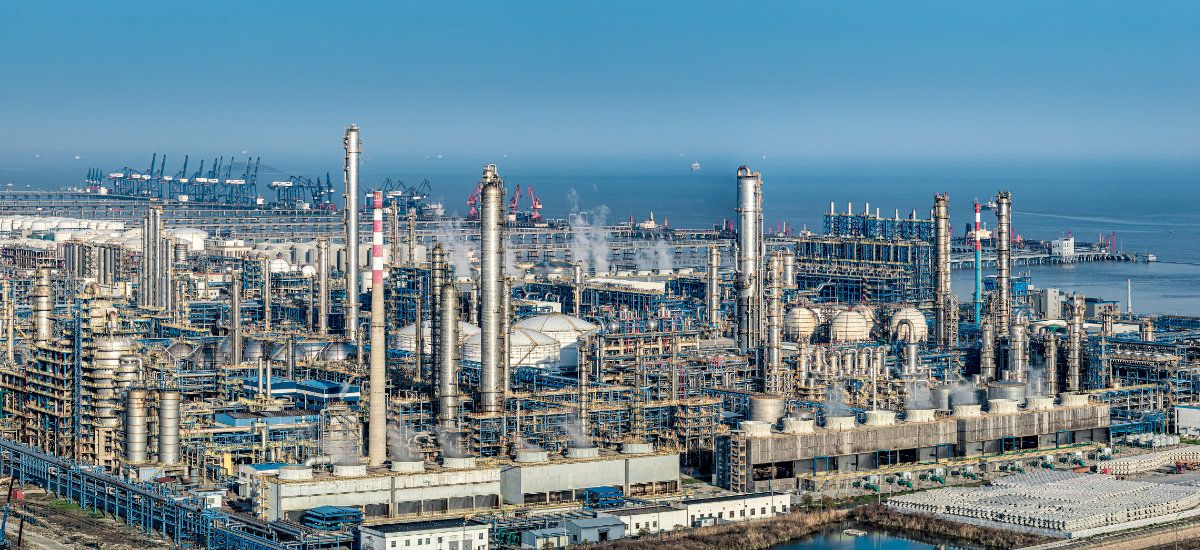
For decades, we’ve powered that work through an impressive chain of energy transformations.
- Fuel is extracted, refined and moved across the world.
- It’s trucked to the coast and shipped offshore.
- Then it’s burned to make heat.
- Heat becomes electricity on site.
- That electricity powers motors.
- Motors create the motion.
- Pumps and blowers deliver the final push.
It works. It built our world – on land.
At the shoreline, this long chain meets a unique opportunity: the ocean is already in motion. Every wave carries a ready-made pulse of mechanical energy — local, continuous, forecastable.
What happens if some coastal tasks can draw power directly from that motion, instead of routing everything through the full energy chain?
Not replacing it. Not competing with it. Just shortening the path between energy source and useful ocean work by removing unnecessary steps. Energy for ocean work, powered by the ocean. Blue Energy.
Blue Energy in practice
Ocean work, powered by the ocean.
Waves carry one of the highest energy densities among renewable resources. Many ocean and coastal tasks — pumping, circulating, lifting, aerating — mirrors the natural movement the ocean delivers every day. Direct wave-mechanical energy can reach efficiencies of around 80%.
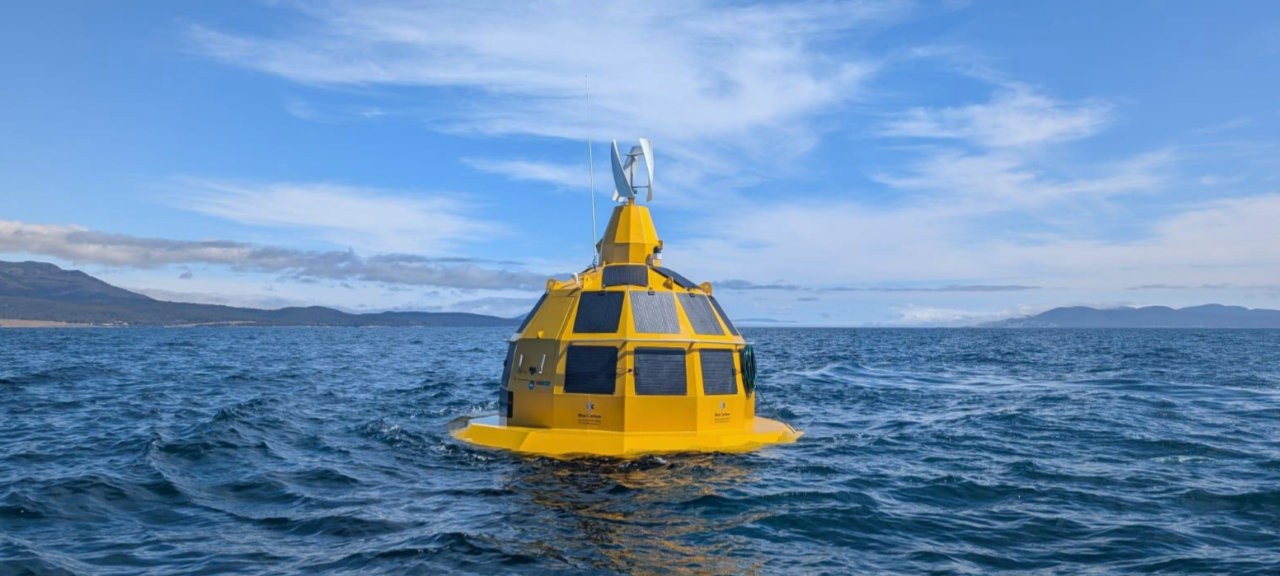
Blue Carbon develops systems that use this motion directly, adding a simple on-site energy layer alongside existing infrastructure.
oPods convert vertical wave movement:
Wave → Water
- deep-water pumping
- intake and circulation flows
- pen and pond flow
- cooling and restoration support
Wave → Air
- aeration
- airlifts and mixing
- local pneumatic power
- pressure-based storage
Purely mechanical, an oPod provides a dependable source of pumping and airflow that integrates easily with coastal systems and reduces the need for long energy pathways.
oPods operate quietly, running on available wave motion: from large swell to smaller fetch, delivering useful work with no fuel, no grid, and no emissions.
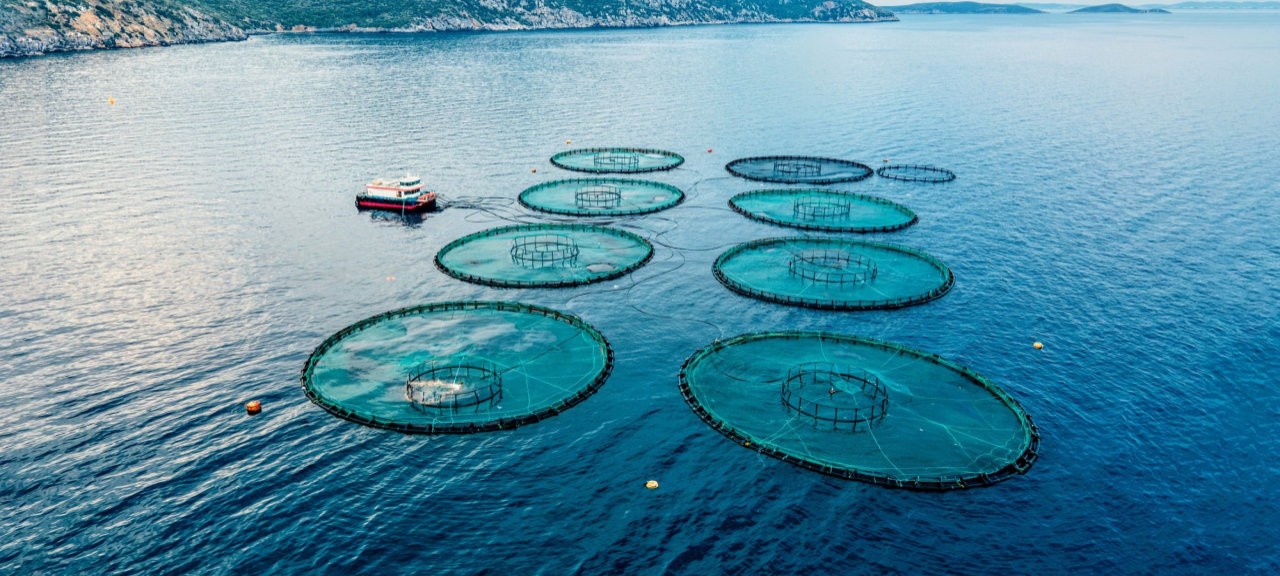
Designed to fit seamlessly into coastal systems
Coastal operators know their environments intimately. They’ve built robust systems to keep farms, plants and restoration projects running through seasons, storms, and changing markets.
Blue Energy is designed to join that toolkit naturally.
It offers:
- local power, right at the point of use
- fewer dependencies on long energy chains
- gentle integration with existing infrastructure
- a scalable path to long-term resilience
No upheaval. No reinvention. Just a new option that complements systems already in place.
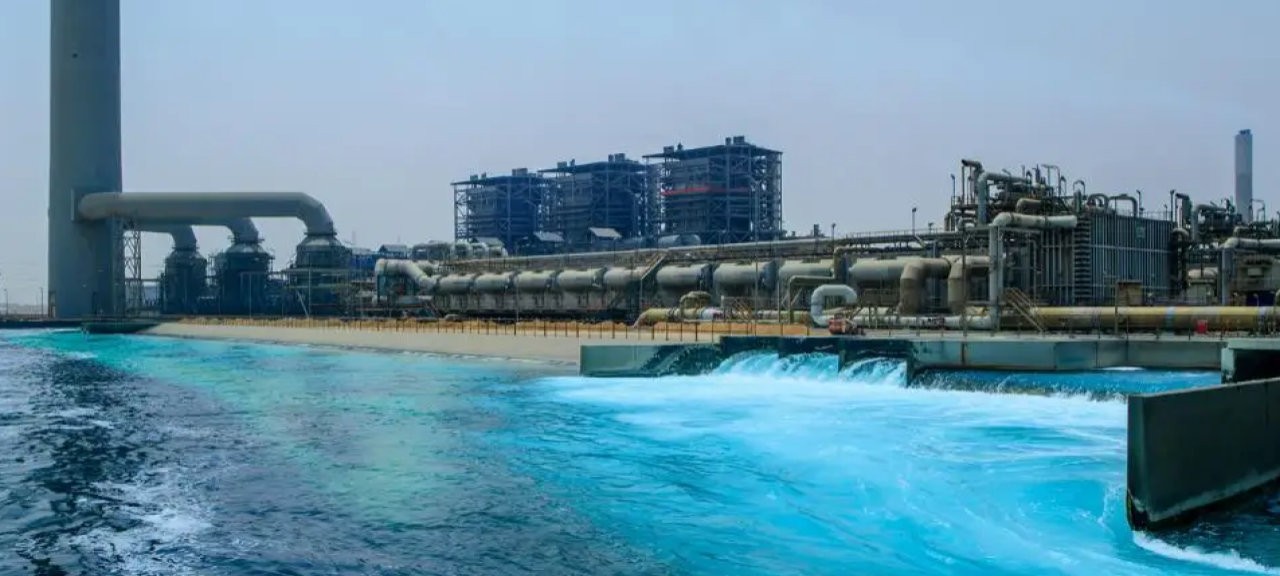
Small Shift, Global Implications
The world’s water sector already consumes 600–1,200 TWh of electricity each year — roughly 2–4% of global electricity. A large share of that is spent on physical work: pumps, blowers, circulators, intakes, outfalls.
Much of this energy begins with fuel that must be extracted, refined, transported to the coast, and delivered offshore before it ever becomes electricity or mechanical work.
Desalination is one of the fastest-growing components of this demand. While its global share is still a modest fraction of total electricity use, it is expanding rapidly in water-stressed coastal regions, where energy supply chains are long and operational continuity is critical.
Aquaculture expansion, coastal cooling and environmental restoration need more and more reliable water and air movement at the shoreline, in response to the increasing global demand for food and water.
If even a portion of this load is met through direct wave-mechanical work, the impact scales quickly.
Substituting wave-driven mechanical power for suitable coastal tasks could avoid 0.2–0.4 gigatonnes of CO₂ each year, simply by removing avoidable energy conversions and the fuel movement behind them.
A new chapter in coastal and ocean infrastructure emerges: shorter energy pathways, smoother operations, lower emissions, and systems placed exactly where nature already provides the resource.
For ocean, by ocean: Blue Energy.
Find out more about Blue Carbon’s oPods here.