
oPodTM Mini
Australia’s first self-powered data buoy—built to give you the ocean insights you wish you had yesterday.
Know what’s coming before it hits your site, reduce losses, and make faster, smarter decisions with real-time and predictive data tailored to your operation.
It’s small. It’s smart. It’s self‑powered.
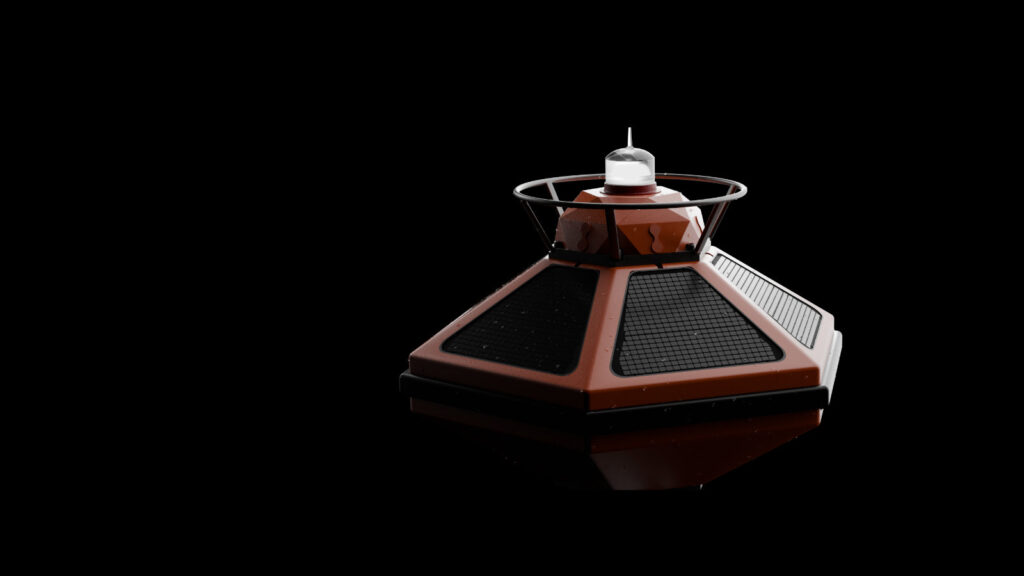
A compact, ~38.5 kg buoy that delivers live ocean intelligence and predicts what’s coming — for aquaculture, desalination, reef restoration, and marine protection. Solar-powered. Deployable by two people.
Designed for cost-efficient swarming, the oPod™ Mini lets you scale coverage to the size of your site — from just a couple of units to a small cluster — providing the actionable insights teams need while creating local jobs in deployment, servicing, and data operations.
Bring your ocean into focus.
The ocean at your fingertips
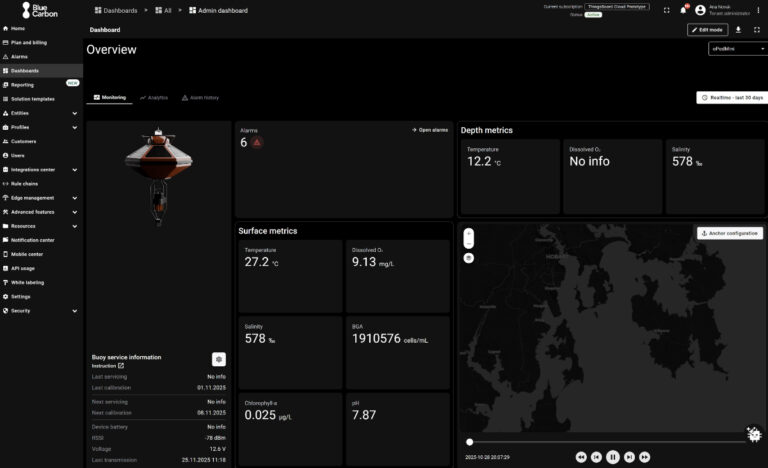
From single deployments to full coastline networks, scale confidently and monitor with continuity. Streamlined dashboards and seamless archiving give you uninterrupted access.
Ready for Anywhere
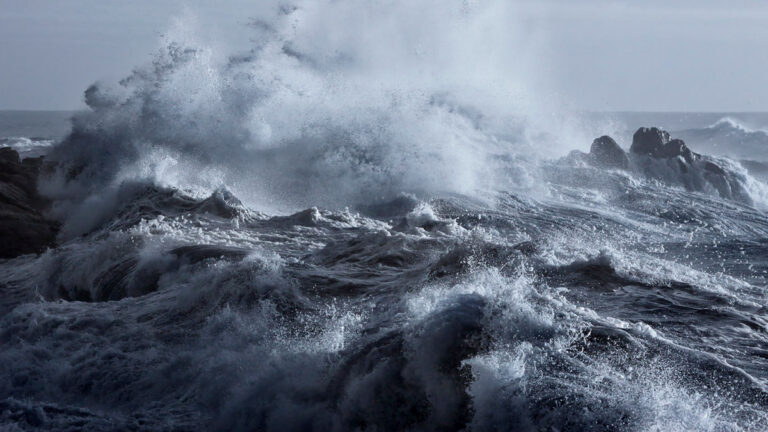
The oPod Mini™ is designed for CAT 5 storms. Light enough for two‑person deployment, tough enough for remote, rapid, and swarm-deployable, multi‑unit missions.
Monitoring. Made Simple
Solar charging and intelligent power management ensure round-the-clock, autonomous operation with no external infrastructure.
Ocean data you can bank on
Each oPod Mini™ acts as a data node. Combine a few (or many) for swarm-level intelligence to deliver reliable, continuous ocean data, whatever your mission.
Bring Your Ocean Into Focus
Use cases include:
- Harmful algal bloom (HAB) detection and forecasting
- Thermal stress detection (marine heatwaves)
- pH and ocean acidification monitoring
- Dissolved Oxygen (DO) crash alerts
- Fish farm health management
- Acoustic monitoring for coral and marine mammals (coming soon)
- Oceanographic research and climate science
- Marine domain awareness and defence
oPod Mini™ Sensor Parameters
|
Parameter
|
Range
|
Resolution
|
Accuracy
|
Principle
|
|---|---|---|---|---|
|
pH
|
0–14 pH
|
0.01
|
±0.02 pH
|
Glass ion selective
|
|
Conductive Salinity
|
Conductivity: 0–200 mS/cm (0–2 mS/cm, 2–20 mS/cm, 20–200 mS/cm);
Salinity: 0–175 ppt; TDS: 0–128000 mg/L |
1 μS/cm
|
1 μS/cm ±1% or 0.01 mS/cm, take the bigger one; ±1 ppt
|
Electrode method
|
|
Dissolved Oxygen
|
0–50 mg/L or 0–500% saturation
|
0.01 mg/L
|
0–20 mg/L: 1% or ±0.2 mg/L; >20 mg/L: ±5% or ±0.6 mg/L
|
UV fluorescence
|
|
Turbidity
|
0–1000 NTU or 0–4000 NTU
|
0.01 NTU
|
±5% or 0.3 NTU, take the bigger one
|
Scattered light
|
|
Temperature
|
0.5–55 °C
|
0.1 °C
|
±0.3 °C
|
PT1000
|
|
Chlorophyll‑a
|
0–500 μg/L
|
0.01 μg/L
|
±5% or 0.5 μg/L, take the bigger one
|
Fluorescence
|